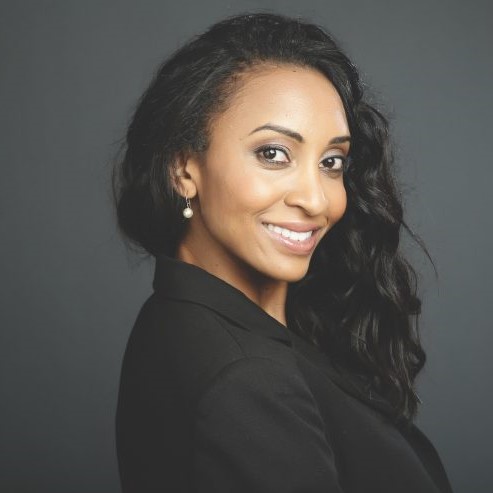


Dr Linia Patel (PhD), RD explores what to do if you suspect your client has an eating disorder
Eating disorders are far more common than many people realise, affecting an estimated 1.6 million people in the UK – and likely more, given how underreported they are.
While eating disorders can affect anyone, regardless of age, gender or background, they most often emerge during adolescence and early adulthood. The most recognised clinical eating disorders include anorexia nervosa, bulimia nervosa, binge eating disorder and ARFID (avoidant/restrictive food intake disorder). These conditions are serious mental health disorders with significant medical risks and require specialist, multidisciplinary care.
However, in fitness and nutrition settings, professionals often encounter something less clearly defined but increasingly visible: orthorexia. Though not yet classified as a standalone eating disorder in diagnostic manuals, orthorexia describes an unhealthy obsession with ‘clean’ or ‘pure’ eating that can lead to rigid rules, escalating restriction, anxiety and social isolation. Because it can initially look like dedication to healthy living – the very behaviour fitness culture tends to praise – orthorexia often flies under the radar.
For personal trainers and conditioning coaches, recognising the difference between health-promoting habits and harmful rigidity is crucial. Many clients may not meet formal diagnostic criteria for an eating disorder, yet still display patterns of thinking and behaviour that signal risk. Early awareness allows for more sensitive conversations, timely referral and safer support.
Understanding risk factors
There is no single cause of an eating disorder. They arise from a complex interaction of genetic, psychological, social and environmental factors. Contributing factors can include:
- family history of eating disorders
- perfectionism
- bullying, trauma or bereavement
- body dissatisfaction
- peer pressure or social comparison
- poor nutrition knowledge
- negative or extreme social media content.
Studies on twins show that eating disorders aren’t caused by just one thing. Your genes play a role and so do life experiences – but neither on their own is enough to cause an eating disorder. It’s the combination that increases risk. That’s why everyone needs multi-disciplinary support tailored to their own situation, rather than a one-size-fits-all approach.
Spotting the warning signs
Identifying an eating disorder is rarely as simple as looking at BMI or ticking a box on a screening tool. Instead, it relies on recognising patterns of thoughts, behaviours and physical signs that, when viewed together, raise concern. Eating disorders – including anorexia, bulimia, binge eating disorder, ARFID and orthorexia – can affect anyone, irrespective of age, gender, body size, cultural background, fitness level or health status.
Because many clients feel ashamed, confused or unable to talk openly about their relationship with food, they may not volunteer this information. Some may present as highly motivated, disciplined or ‘health conscious’, which can disguise emerging disordered patterns – particularly in the case of orthorexia, where restrictive or perfectionistic habits are often praised in fitness environments.
If you notice signs that suggest a client is struggling – changes in behaviour, escalating food rules, obsessive tracking, distress around eating, withdrawal from social situations or physical changes – it’s important to respond with sensitivity. Be clear about what you’ve observed, why you’re concerned and what support options are available. Avoid judgement, stay within your professional scope and ensure you know your local referral pathways so you can guide clients safely towards specialist help when needed.
Recognising orthorexia
To help distinguish between healthy eating and orthorexia, Bratman & Dunn propose two main diagnostic criteria:
- An obsessive focus on healthy eating
This may include:
- compulsive focus on ‘clean’ or ‘pure’ foods
- intense anxiety or guilt when personal food rules are broken
- escalating dietary restrictions, including exclusion of entire food groups, fasting or cleansing rituals.
- Behaviour that disrupts daily life
Examples include:
- medical issues such as malnutrition or weight loss
- social withdrawal or impaired academic/work functioning
- distress or identity tied to strict dietary rules.
Signs of disordered eating
Some clients may show a pattern of behaviours that extend beyond orthorexia, such as:
- avoiding social situations involving food
- obsessively weighing themselves
- loss of control when eating or eating in secret
- exercising to ‘earn’ or ‘burn off’ food
- constant preoccupation with calories, body size or comparing themselves to others
- lying about food intake
- self-worth tied to weight or dietary control
- frequent guilt, shame or anxiety around eating.
Each of these signs warrants further exploration and, often, referral.
How to respond: Practical actions for fitness professionals
- Use conscious, non-judgemental language. The way we communicate matters. Avoid comments that moralise food, reinforce body ideals or imply blame. Use person-first language where appropriate – for example, “a person experiencing disordered eating” rather than “an eating-disordered person”.
- Open a supportive conversation. Explain gently what you’ve observed and why you’re concerned. Stay curious, not confrontational.
- Know your referral pathways. If you suspect an eating disorder, signpost or refer onward. Specialist teams can guide next steps and help ensure safety.
- Stay within your scope. Coaching or nutritional guidance is nota substitute for clinical treatment. Your role is to notice, support and refer – not diagnose.
- Prioritise the person, not the behaviour. Eating disorders are not choices; they are mental health conditions requiring compassion and evidence-based care.
Key UK organisations and resources for eating disorders
- Beat (Beating Eating Disorders) – UK’s Leading Eating Disorder Charity: https://www.beateatingdisorders.org.uk
- National Centre for Eating Disorders (NCfED): https://www.eating-disorders.org.uk
- British Dietetic Association (BDA)– Mental Health & Eating Disorders Specialist Groups: https://www.bda.uk.com
- NHS Eating Disorder Services: https://www.nhs.uk/mental-health/conditions/eating-disorders/
- Mind (Mental Health Charity): https://www.mind.org.uk
Read more of Dr Linia Patel’s nutrition expertise on the FitPro blog, in this post on how lifestyle is critical to optimising GLP-1 therapy.
References
- British Dietetic Association – Eating disorders FAQ. https://www.bda.uk.com/resource/eating-disorders-and-dietetics-q-a.html, accessed on 4 December 2025.
- Culbert K M, Racine S E & Klump K L (2015), Research Review: What we have learned about the causes of eating disorders: a synthesis of sociocultural, psychological and biological research, The Journal of Child Psychology and Psychiatry, 56: 11.
- NICE (2017) Eating Disorders: Recognition and Treatment (NG69).
- Scarff J, Orthorexia Nervosa: An Obsession with Healthy Eating, Fed Pract., 34(6): 36-39.