
Dr Linia Patel (PhD), RD explores the trend of seed cycling for period or menopause support and what the evidence really says.
At a corporate wellbeing seminar earlier this year, someone asked my thoughts on seed cycling. I’d seen it circulating on social media for years but I’d never taken a proper look at the claims, the science or the real-world practicality – until now.
What seed cycling involves
Seed cycling suggests that rotating specific seeds across the menstrual cycle can regulate hormones, ease PMS and even support menopause symptoms. The idea is simple: as oestrogen rises in the follicular phase (first part of a menstrual cycle) and progesterone takes over in the luteal phase (later stage of a menstrual cycle), your nutritional needs shift too. Different seeds are therefore ‘matched’ to each phase.
Follicular phase (day 1–14)
- 1 tbsp each of ground flaxseeds and pumpkin seeds daily.
- Flaxseeds provide phytoestrogens; pumpkin seeds offer zinc and magnesium – said to support the natural rise in oestrogen.
Luteal phase (day 14–30)
- 1 tbsp each of sesame and sunflower seeds daily.
- Sunflower seeds bring vitamin E and selenium; sesame seeds offer lignans and B vitamins – claimed to support progesterone.
Why these seeds?
- Flaxseeds contain lignans (notably secoisolariciresinol diglucoside [SDG]) which act as phytoestrogens – compounds similar in structure to oestrogen that may be weakly oestrogenic or anti-oestrogenic depending on context.
- Pumpkin seeds are touted for zinc, which some argue supports follicle stimulating hormone (FSH) and ovulation, theoretically benefiting progesterone production.
- Sesame lignans (like sesamin) may inhibit oestrogen production in the luteal phase.
- Sunflower seeds provide vitamin E, often linked to progesterone support.
These mechanisms sound compelling – but do they hold up?
The science: What we know (and don’t)
There are no clinical trials on seed cycling as a structured practice. A few small studies have explored individual seeds or nutrients, but evidence is patchy:
- Phytoestrogens from foods like flax may support cycle regularity but research is inconsistent and far from conclusive.
- Flaxseed and vitamin E have shown potential in reducing breast pain, a common cyclical symptom.
- Several studies link phytoestrogens to a reduction in menopausal symptoms, although more robust research is needed.
- Zinc taken for four to six days pre-menstruation may help reduce menstrual pain (primary dysmenorrhoea).
So, while individual components have some evidence behind them, seed cycling as a whole is mostly theoretical.
So … should you try it?
Seed cycling doesn’t currently have strong evidence to support its boldest claims. For some people, it may help – whether through the placebo effect, improved nutrition or individual physiological responses. For others, it may do very little.
But here’s what is absolutely true:
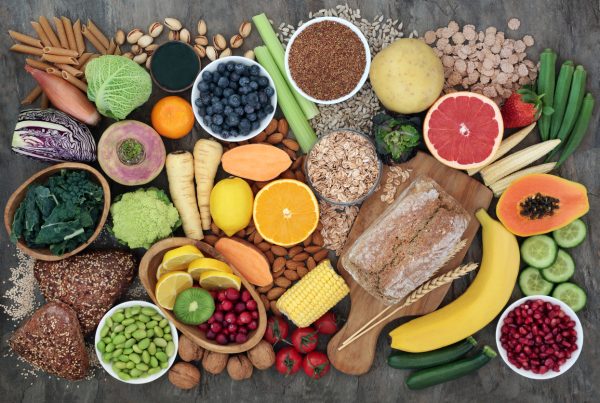
Seeds are nutritious. They’re packed with healthy fats, fibre and micronutrients, and they can absolutely be part of a hormone-supportive diet – even if the structured cycling isn’t essential.
If you suspect a genuine hormonal imbalance though, always speak with a healthcare professional rather than relying on food-based protocols alone.
Become a seed fan (no cycling required)
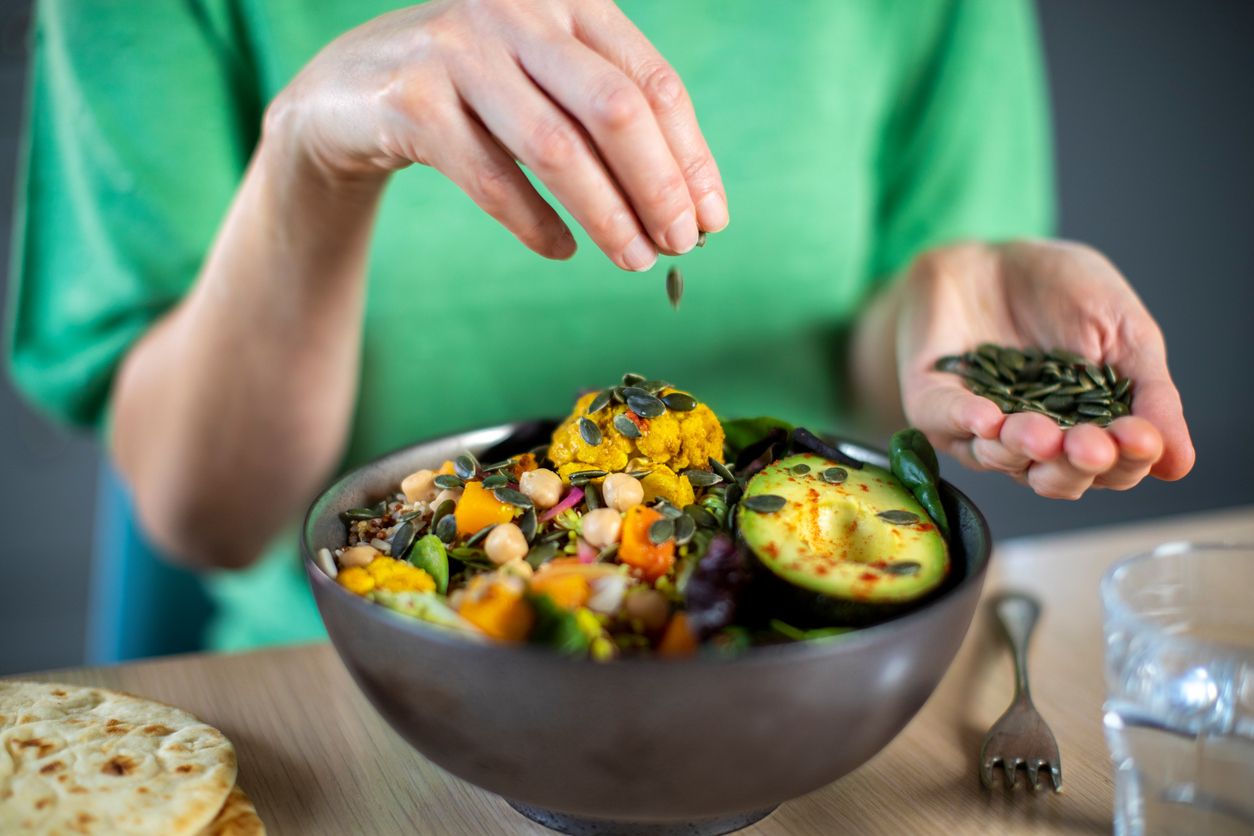
I use nuts and seeds across the day in my food and meals – not because they ‘balance hormones’ but because they’re an easy, affordable way to boost nutrition, texture and satiety.
Skip the pricey supermarket blends and make your own at home. Create one seed mix and one nut mix, buy in bulk and customise: savoury, crunchy or with a hint of indulgence from dark chocolate or dried fruit. Keep a jar on the counter as a visual cue and sprinkle over yoghurt, porridge, salads or cooked meals. If you have a nut allergy, lean into seeds – pumpkin, sunflower, chia, hemp and flax all work brilliantly.
Discover more: Dr Linia Patel assesses whether you should eat in line with your menstrual cycle on the FitPro blog.
Further reading:
- Phipps WR, Martini MC et al (1993),Effect of flaxseed ingestion on the menstrual cycle, J Clin Endocrinol Metab., 77(5): 1,215-19.
- Hidalgo MP et al(1998), Vitamin E for PMS treatment, BJOG, 105: 1,007-11.
- Messina M(2016), Soy and health update: Evaluation of the clinical evidence, Nutrients, 8(12): 754.
- Balakrishna et al (2022), Consumption of nuts and seeds and health outcomes including cardiovascular disease, diabetes and metabolic disease, cancer and mortality: An umbrella review, Adv Nutr., 13(6): 2,136-48.