
Dr Linia Patel (PhD), RD discusses sustainable weight management with 10 tips for a flexible and holistic framework
Weight is a sensitive and complex subject – one that goes far beyond what’s on your plate. Nutrition advice can feel like a moving target, with endless noise, contradictions and strong opinions. Yet, when it comes to sustainable weight management, the fundamentals still hold true. The National Weight Control Registry – the largest study following people who’ve lost weight and kept it off –reminds us there’s no single ‘best’ way. Some succeed through exercise; others by tracking food or learning to manage emotional triggers. The common thread? Different paths, same outcome.
Sustainable weight management isn’t about sheer willpower. It’s about how your biology, psychology, habits and environment work together over time. A bio-psycho-social approach helps us look beyond the scale, recognising you as a whole person – not just a number.
In my clinical practice, I use a flexible framework with clients, helping them adapt strategies that fit their unique lives. The same framework can support you too. Think of these steps as anchors: use what resonates, layer them as needed and adapt to the individual.
Step 1: Think holistically
Weight management is about more than food. Sleep, stress, activity and emotional health all shape your progress. I often see people eating well yet stuck – only to discover that poor sleep is fuelling cravings, draining energy and disrupting recovery. When the bigger picture comes into focus, real change begins.
Step 2: Keep it simple and consistent
Forget hacks and extremes. The basics, done consistently, are what matter most. Progress doesn’t come from perfection but from showing up steadily – even when life gets messy. Consistency is the quiet superpower of long-term success.
Step 3: Find your way
There’s no single ‘right’ method. What motivates you? Do you thrive with structure or prefer flexibility? Whether you start aggressively or take small steps, the key is finding an approach you can maintain. Think of food as a spectrum, not ‘good’ or ‘bad’. Progress, not perfection, is the goal.
Step 4: Set a meal rhythm
Your body loves routine. A 12-hour overnight fast (e.g., 7pm–7am) is a helpful baseline, giving your body time to reset. From there, experiment until you find a rhythm that fits your lifestyle and energy needs. Whether you prefer three meals a day, smaller frequent meals or fewer, larger ones, the important part is consistency and intention. Your body responds differently if you intentionally skip or meal or if you skip it due to poor planning.
Many people do best eating more starchy carbs earlier in the day, when energy needs are higher, and keeping evenings lighter.
Step 5: Hydrate
Hydration is an often-overlooked foundation. Water supports metabolism, energy, appetite regulation and even sleep quality. Aim for 1.5–2 litres a day – more if you’re active. Use a water bottle you know the size of and let your body guide you – pale, straw-coloured urine is a good indicator you’re on track.
Step 6: Fibre first
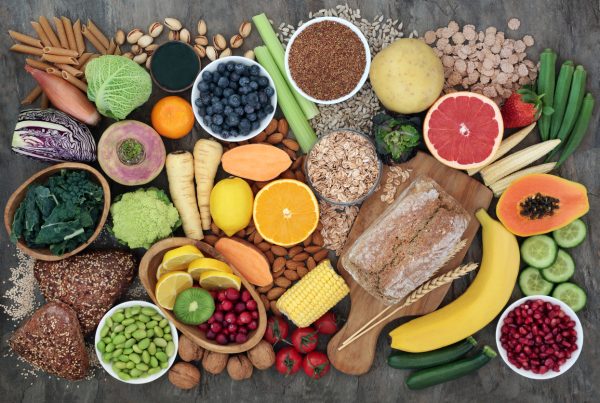
Fibre and protein together are the ultimate fullness duo. Fibre not only adds bulk and steadies blood sugar but also feeds gut microbes, which in turn influence appetite and cravings. A fibre-rich diet keeps both your gut and your weight-control systems working in your favour.
Step 7: Prioritise protein
Protein is the anchor nutrient. It slows digestion, stabilises blood sugar, regulates appetite and preserves muscle mass – all crucial for weight control. Start by ensuring each meal contains a good protein source, particularly at breakfast, to keep you fuller for longer.
Step 8: Time your carbs wisely
Your body’s internal clock influences how well you metabolise food. Many people do best eating more starchy carbs earlier in the day, when energy needs are higher, and keeping evenings lighter. This helps prevent overeating during the times when willpower is naturally lower.

Step 9: Be mindful with fats
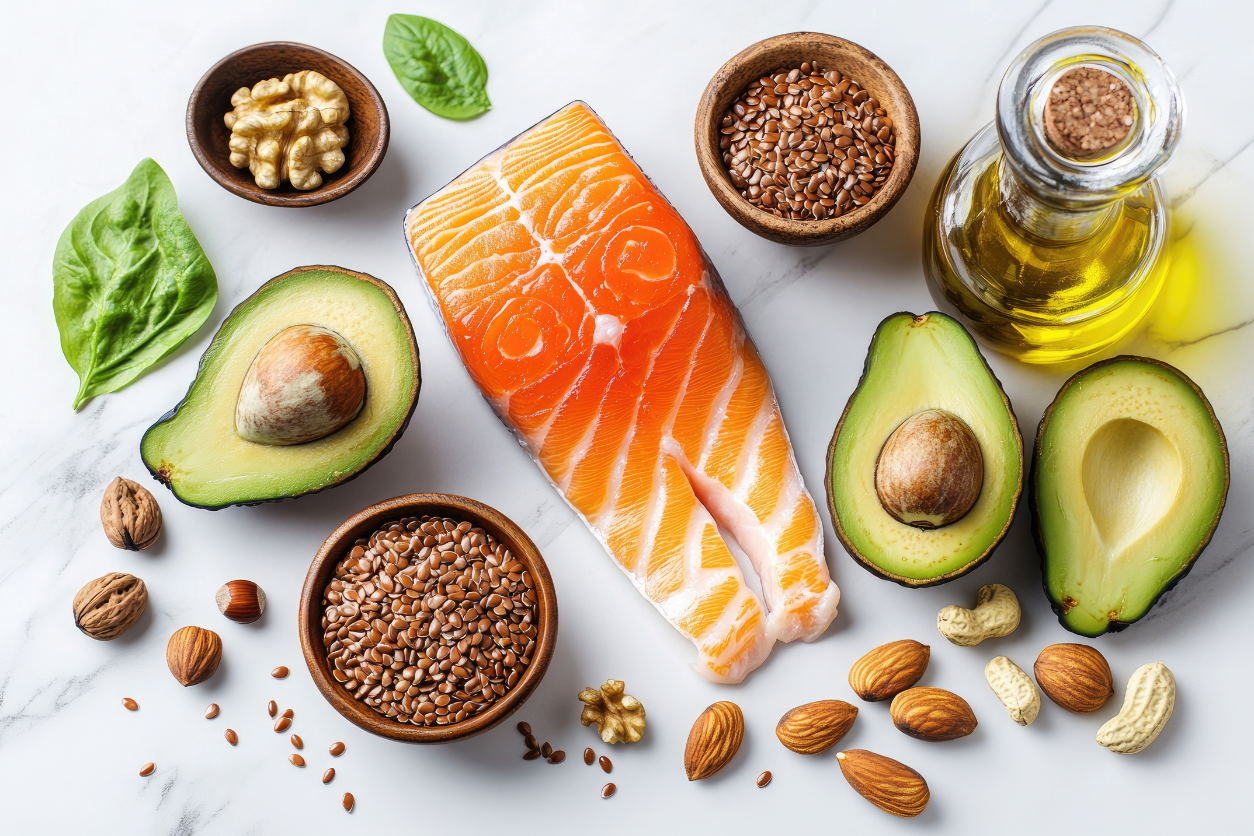
Fats are nourishing and satisfying but energy dense. A little goes a long way. Aim for one or two portions of healthy fats per meal, such as olive oil, avocado, nuts, seeds or cheese. Enough to add flavour and satisfaction, without overshadowing your natural fullness cues.
Step 10: Make it enjoyable
Sustainable change comes from enjoyment, not deprivation. When healthy eating feels satisfying and flexible, it’s easier to stick with. Long-term success is built on balance – nutrient-rich choices most of the time, with space for foods you love.
Bonus: Know why you eat
Awareness is powerful. Tuning into your habits, triggers and patterns – without judgement – can reveal what’s holding you back. Once you understand your ‘why’, you can create strategies that work with your psychology, not against it.
These steps aren’t rules – they’re tools. Use them flexibly, personalise them and let them evolve with your life. And, if you’d like deeper support, a registered dietitian can help you shape this framework into something uniquely yours.
Read more on weight loss with Dr Olubunmi Aboaba on the key factors behind self-sabotage and emotional eating after weight loss on the FitPro blog.
References
- Hill J et al (2007), Lessons Learned From the National Weight Control Registry. In: Kushner RF, Bessesen DH (eds), Treatment of the Obese Patient. Contemporary Endocrinology. Humana Press. https://doi.org/10.1007/978-1-59745-400-1_21
- Patel L (2024), Food for Menopause, Murdoch Publications.