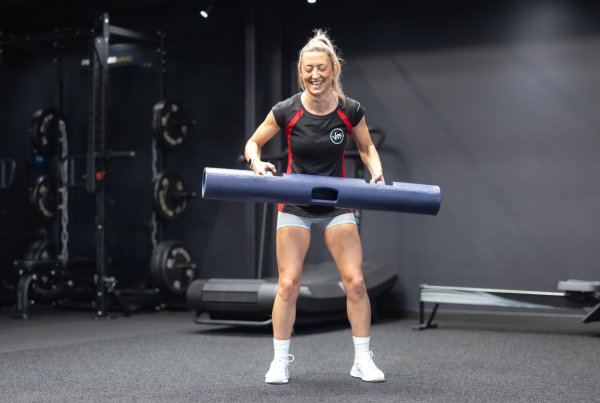

Lucy Smith is a personal trainer who has been diagnosed with Autism and ADHD. Lucy shares her experience of personal training for neurodiversity and designing workouts for adults and children
Having multiple neurological conditions and being an ex-competitive athlete, I am intent on understanding how the brain functions and how various conditions can affect those functions. I have been diagnosed with both Autism and ADHD within the last year and, as a trainer, I felt I had to get a comprehensive grip on, and understanding of, how training/teaching disciplines need to be adapted, both for physical and neurological enhancement.
Neurodiversity is the concept that differences in how people’s brains work are a normal and valid part of human variation, rather than being a defect or disease. It acknowledges that everyone has unique cognitive profiles and embraces variations in thinking and learning, such as those found in Autism, ADHD (attention deficit hyperactivity disorder), dyslexia and other, similar neurological conditions.
Considerations when personal training people with neurodiversities
There are many considerations to be made regarding the possible challenges that face training people with neurodiversities. These include environmental factors such as the choice of venue for training. For example, personal space restrictions can affect attention and motivation. If people are too close to each other, the audible instructions from a trainer can be compromised and confused with someone else’s within proximity. Clients may also have issues with proprioception (balance and co-ordination) due to being too close to objects or other people.
Possible obstacles not only include sensory regulation but also more systemic barriers. Examples of these would be lighting, sound/music, smell and the texture of anything that touches someone, like mats, towels or even pieces of equipment made from certain materials or that could make someone feel claustrophobic.
Other systemic barriers may include cognitive differences in understanding how to co-ordinate and perform exercises and movements. Kinesthetic input involves touching a muscle you want to engage, which enhances its activation. Examples of this can involve showing clients where muscles are and asking them to touch them as they engage, known commonly as neurological feedback. This is also an excellent way of conveying to someone how breathing can assist in muscular activation. Exhaling through the mouth on an exertion strengthens the muscle-firing process.
Disciplines that also require cognitive processes, such as boxing, drills using speed and agility ladders and lights that flash in various sequences, help build a stronger mind-body connection. This process is known as strengthening motor input, which also increases self and body awareness, which can be severely compromised through dyspraxia or DCD (developmental co-ordination disorder) as it’s now known. In my experience, this is the best tool for gauging neurological responses to muscle activations.
Working with people with ADHD
There are three official types of ADHD: predominantly inattentive presentation, predominantly hyperactive-impulsive presentation and combined presentation. I was diagnosed with the combined type, which is more common in females. The inattentive type involves difficulty with focus and organisation; the hyperactive-impulsive type is characterised by excessive movement and impulsivity; and the combined type includes symptoms from both categories. The type of ADHD someone is diagnosed with can also really help the individual to understand and accept their own needs.
Regardless of the specific type, people affected with ADHD and other neurodiversities may have trouble concentrating, staying focused and being attentive. ADHD paralysis is a state of mental inertia, where individuals with ADHD feel stuck, overwhelmed or ‘frozen’. This can prevent them from starting, stopping or completing tasks and decisions. While not a medical diagnosis, it is a symptom of executive dysfunction, where too much information, stress or emotional overload triggers a shutdown or response. This can manifest as decision paralysis, task paralysis or mental paralysis, leading to inability to function, intense procrastination and feelings of frustration or guilt.
Relatively simple measures can be undertaken to remedy paralysis. Tasks can be broken down into smaller steps. Timers may be used (for example, the Pomodoro technique, where a timer is used to calculate shorter periods of focus with periods of rest).
Other strategies include doing a ‘brain dump’, where tasks are written down on a piece of paper, or lists are made to assist with thoughts, challenges and feelings to gain clarity. Trying to revise and change the way a task may be undertaken is a superb tool for re-organising how an individual goes about completing it.
Designing workouts for people with neurodiversities
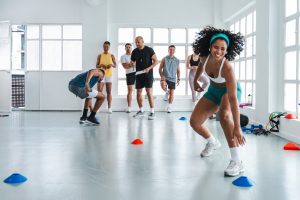
When training both adults and children, both physical and cognitive processes can be combined with varied intensities. For example, you could design a circuit where, at each station, an individual is asked to first perform a physical task, then while catching their breath they are asked to name three to five objects of a certain colour, or spell three words beginning with the same letter or syllable. This question could be adjusted per station to perhaps include a mathematical question, or three to five words that rhyme, depending on the demographic of the person being trained. Only when both tasks are complete can they move onto the next, possibly within a timed limit.
Common symptoms of neurodiversity may include difficulty in paying or keeping attention and focus. Combining and changing tasks benefits neurodiverse people by preventing overwhelm and burnout, maintaining focus on diverse tasks, reducing the impact of task paralysis and keeping interest levels high by leveraging natural shifts in attention. This task flexibility is a crucial adjustment that can improve confidence by accommodating neurodivergent processing styles and supporting their unique strengths.
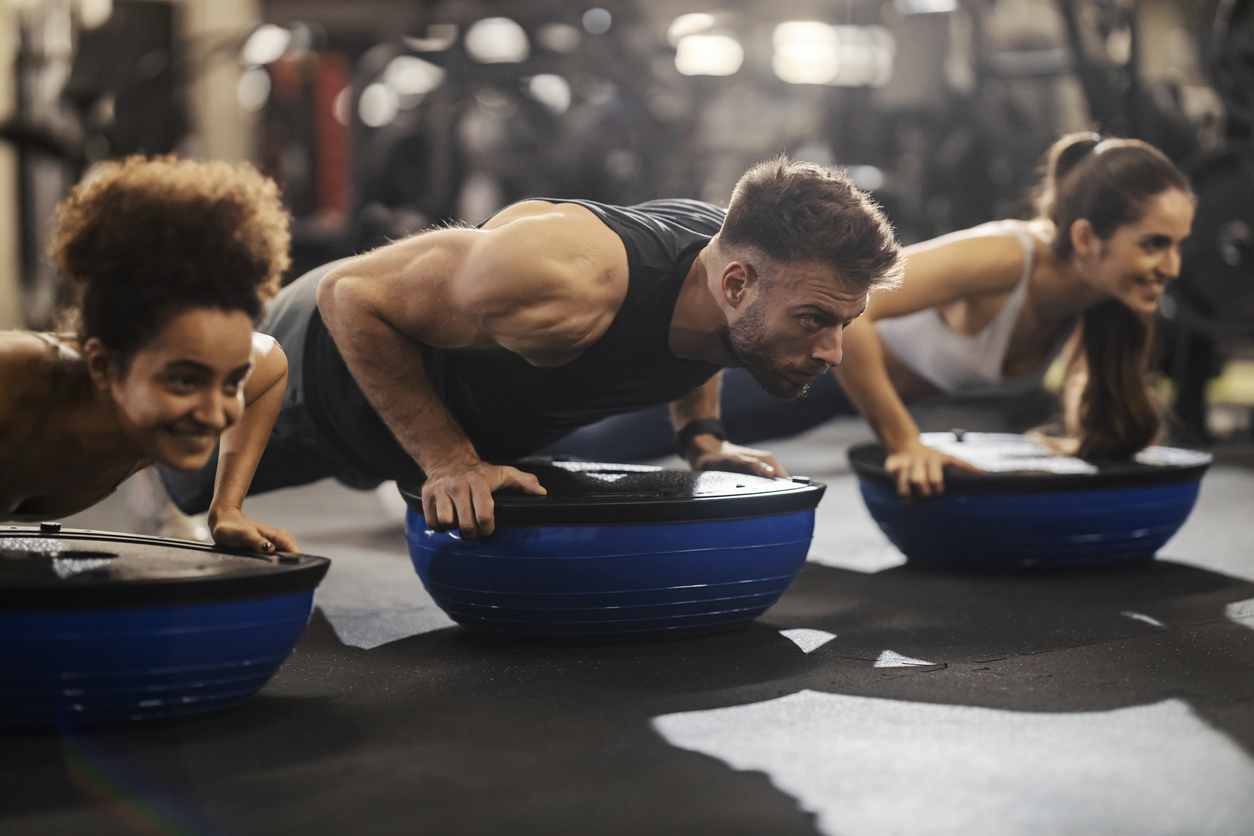
Catering for people with these nuances need not be complicated or expensive. Choosing some equipment that is brightly coloured, sparkly or elaborately patterned can be an attention-grabber. Great small equipment for adults includes the Bosu, Swiss Balls, Medicine Balls, kettlebells and skipping ropes.
A practical example would be a circuit workout with a Bosu, including three elements. The first could be an overhead press combination with a walk-out plank (improving proprioception by using an awkward object around your body). The second could involve motor input by using deep pelvic stabilisation activation with reinforced touch. The third could be a combination of the other two by standing on the flat side of the Bosu and doing balance and stability drills/exercises in an unaided, standing position.
For children of all ages, there are items that can be used for games like hula hoops, bean bags and fitness activities that involve rackets and balls. While working with a little girl who has cerebral palsy, I used a small dance mat which had several pre-programmed sequences. This was to aid cognitive processes, physical co-ordination and trying to get her to place her feet flat down (which is a must for the compromised tendons at the heel).
Small things can make a massive difference to a person’s experience when training. They may be thrilled if you can play their favourite music, incorporate their favourite colour into the equipment/environment or offer a stream of positive praise and feedback. It is worth mentioning that many people with neurodiversities have sensitivities when it comes to touch, so any trainer should always check with the individual client before implementation of these methods. The best advice I can provide for other trainers is to be confident, compassionate, understanding and ready to improvise and adapt with more than one plan. It’s also worth noting that different populations can teach us so much, as trainers and as people.

Lucy Smith
Lucy Smith has always known she was diverse neurologically. Having waited almost four years for assessment, she has been diagnosed with both Autism and ADHD within the last year. As a fitness professional, FitPro has always been a strong source of information for her – she’s been a member for over 20 years. Four years ago, she had an article published in fitpro magazine about EDS (Ehlers Danlos syndrome), which she is also diagnosed with. She also has MS (multiple sclerosis). Find Lucy Smith at edspilatesspecialist.com