
Sahar Khoshraveshan offers fitness professionals a beginner-friendly guide to Reiki and energy healing for recovery and stress reduction.
There’s a moment after an intense workout when the body is still, the breath begins to slow and everything softens. It’s subtle but powerful. That moment is where recovery truly begins.
Now imagine being able to access that state more deeply, more consistently and without effort. This is where Reiki and energy healing come in.
What is Reiki?
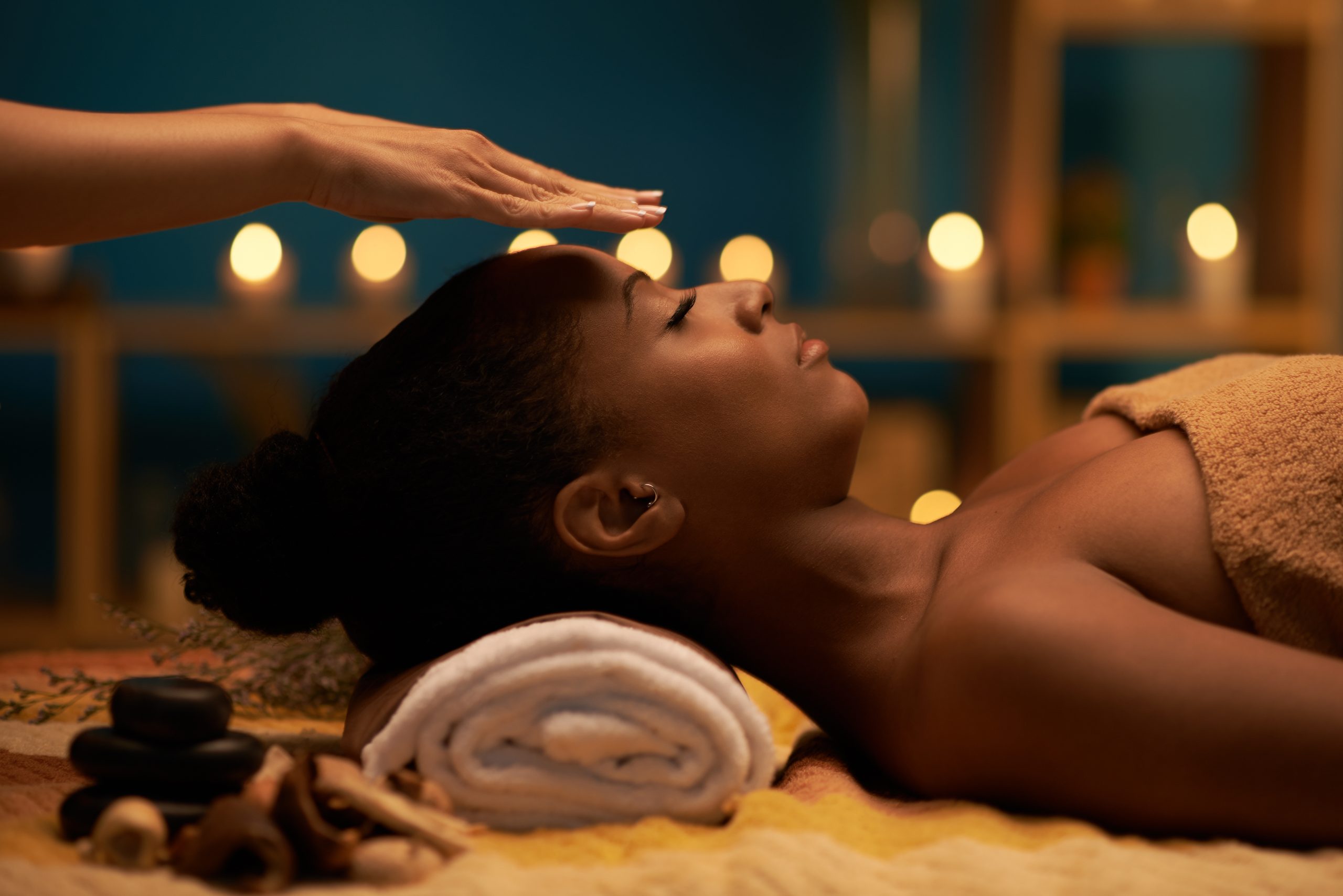
Reiki (pronounced ray-key) is a gentle, non-invasive healing practice that originated in Japan. The word translates to ‘universal life energy’ and the technique involves a practitioner placing their hands lightly on or just above the body to support the natural flow of this energy.
While it may sound abstract at first, the experience is often very tangible – deep relaxation, a sense of warmth and a noticeable shift in how the body feels.
Reiki doesn’t replace medical care or structured recovery methods. Instead, it complements them by working on the one system that influences everything else: the nervous system.
The missing piece in recovery
Most fitness professionals are highly skilled at managing physical stress, programming training loads, improving mobility and optimising nutrition. But many still struggle with fatigue, plateaus or poor sleep.
Why?
Because recovery isn’t just physical, it’s neurological. When the body remains in a constant state of stress (the sympathetic ‘fight or flight’ mode), it doesn’t matter how well designed a programme is. The system isn’t primed to recover.
Reiki helps shift the body into a parasympathetic state; often referred to as ‘rest and digest’. This is where:
- muscles repair
- hormones rebalance
- sleep deepens
- the mind quiets.
For high performers, this shift can be the difference between stagnation and progress.
Effortless relaxation
One of the biggest barriers to recovery is the inability to truly relax. You’ve probably seen it: people who stretch but stay tense, meditate but feel frustrated or lie down but can’t switch off. In high-stress lifestyles, the nervous system forgets how to down-regulate.
Reiki removes the effort. There’s nothing to ‘do’. No breathing technique to master. No focus required. You simply lie down and receive.
This makes it particularly effective for:
- busy professionals who are always ‘on’
- athletes in intense training cycles
- individuals experiencing burnout or mental fatigue.
Many describe it as a full system reset – something that’s hard to achieve through willpower alone.
Better sleep, naturally
Sleep is often the first thing to suffer under stress and the last thing to recover. Racing thoughts, elevated cortisol and nervous system overload can all interfere with falling and staying asleep. Reiki addresses these root causes by calming the body and quieting the mind.
With regular sessions, people often notice:
- falling asleep more easily
- sleeping more deeply
- waking up feeling more restored.
It’s not uncommon for someone to fall asleep during a Reiki session itself. Rather than being a side effect, this is a sign that the body has finally reached a state of deep rest. For athletes and active individuals, this translates directly into improved recovery, performance and resilience.
Emotional balance and mental clarity
Training isn’t just physical; it’s emotional and mental.
Stress from work, relationships and daily life doesn’t stay outside the gym. It shows up in energy levels, motivation and consistency. Reiki can help regulate these internal states. While it doesn’t involve talking or analysis, it often creates space for emotional release and recalibration. Clients may notice:
- reduced anxiety or irritability
- a greater sense of calm
- improved focus and clarity.
For coaches, this can be a game changer. When clients feel mentally and emotionally balanced, they engage more fully with their training and get better results.
Supporting physical recovery
Reiki doesn’t directly treat injuries, but it supports the conditions that allow the body to heal. By encouraging relaxation and reducing stress, it may help:
- ease muscle tension
- support post-training recovery
- complement physiotherapy and rehabilitation.
Think of it as creating the ideal internal environment for recovery to occur.
Many athletes integrate Reiki alongside other modalities such as massage, mobility work and breathwork. The combination addresses both the physical and neurological aspects of recovery.
What to expect in a session
A typical Reiki session lasts between 45 and 60 minutes. You’ll lie fully clothed on a treatment table in a quiet space. The practitioner will place their hands lightly on or just above different areas of the body.
The experience varies from person to person, but common sensations include:
- warmth or tingling
- a feeling of heaviness or floating
- deep calm or stillness
- emotional release.
Some sessions feel profound; others feel subtle. Both are valid and beneficial.
The science perspective
Reiki is often categorised as a complementary therapy and, while research is still evolving, there is growing evidence suggesting it can help reduce stress, anxiety and pain. From a physiological standpoint, many of its benefits can be explained through activation of the relaxation response, the body’s natural counterbalance to stress.
Even without fully understanding the concept of ‘energy’, the measurable effects of deep relaxation alone make Reiki a valuable recovery tool.
Integrating Reiki into a high-performance lifestyle
You don’t need to overhaul your routine to benefit from Reiki. Think of it as an addition to your existing recovery strategy.
- Start with occasional sessions. Once or twice a month can support overall balance and stress reduction.
- Use it strategically. During intense training blocks, competition prep or high-pressure periods at work.
- Combine with other practices. Reiki works well alongside yoga, meditation and breathwork for a more holistic approach.
- Learn self-Reiki. Some practitioners offer simple techniques you can use daily to promote calm and recovery.
Final thoughts
Not all recovery is visible. Beyond the foam rollers, supplements and structured programmes lies a deeper layer – one that governs how the body responds to stress, heals and performs.
Reiki invites you into that layer.
For fitness professionals and high performers, it offers something both simple and powerful: the ability to pause, reset and support the nervous system in a way that amplifies everything else you’re already doing. Sometimes, the most effective recovery doesn’t come from doing more, but from allowing the body to do what it’s designed to do when given the right conditions.
Discover how Ayurveda can be incorporated into fitness and everyday performance in Sahar’s blog on FitPro.com

Sahar Khoshraveshan
With training in Hatha and Kundalini Yoga, Reiki and Ayurveda, Sahar Khoshraveshan’s work brings together movement, meditation and lifestyle practices for modern living. Drawing on years in software engineering and corporate environments, her practice reflects a lived understanding of stress, desk-based work and nervous system overload. Sahar @_innerlight.yoga_ explores practical ways to reconnect with the body, restore balance and cultivate clarity and resilience in everyday life and long-term wellbeing practices.