
Andy Colman, winner of the LGBTQIA+ Personality Award at The British Fitness Awards discusses empowering LGBTQIA+ clients in the gym
Andy chats with FitPro and shares his journey from overcoming gym anxiety to becoming a champion for inclusive fitness. He reflects on the importance of visibility, how strength training fosters emotional resilience and how trainers can create supportive, non-judgemental spaces for LGBTQIA+ individuals.
FitPro: Andy, congratulations on winning the LGBTQ+ Personality Award at The British Fitness Awards! What does this recognition mean to you personally and professionally?
Andy Colman: Thank you – it genuinely means a lot! On a personal level, it felt like a full-circle moment. When I first entered the fitness industry, I wasn’t always sure how openly my identity would sit within my work. Over time, I realised that being visible as a gay coach actually helps people feel safer and more understood in a space that can sometimes feel intimidating.
Professionally, the award recognises the core of my coaching philosophy: helping people build confidence in environments where they may previously have felt uncomfortable or out of place.
For me, it’s also a reminder that visibility matters. If someone from the LGBTQIA+ community sees that award and feels encouraged to step into the gym with a little more confidence, then that means far more than the trophy itself.
For many LGBTQIA+ people, the gym isn’t intimidating because of the weights – it’s intimidating because of the feeling of being seen and judged.
FP: You specialise in inclusive coaching for the LGBTQIA+ community. Can you share what inspired you to focus on this specific area of fitness?
AC: A lot of it comes from my own experiences. When I first started going to the gym in my teens and early twenties, it was a council-run community gym where you were shown the treadmill and then left to figure everything else out yourself. I managed to work out some of the machines but the free weights area felt completely off limits.
I didn’t know what I was doing and felt terrified of being watched. I’d memorise dumbbell workouts from Men’s Health magazine and only attempt them when the gym was quiet.
One day, a staff member shouted at me for taking dumbbells into the stretching area. I left and didn’t return to the gym for years. That experience stayed with me and ultimately shaped the way I coach today.
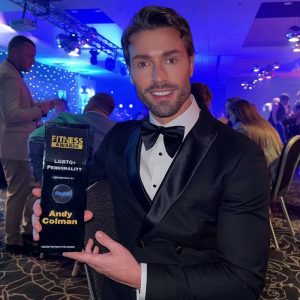
Andy Colman, winner of the LGBTQ+ Personality Award at The British Fitness Awards
FP: How do you define inclusive coaching and what does it look like in practice?
AC: For me, inclusive coaching means creating an environment where people feel safe, supported and capable while still receiving clear, structured guidance.
Strength training principles don’t change depending on someone’s identity. What can differ is the emotional context people bring into the gym. Some clients arrive with anxiety, uncertainty or past negative experiences in fitness spaces. Inclusive coaching recognises that and helps people rebuild confidence step by step while developing real training skills.
FP: What role does strength and confidence play in your coaching?
AC: Strength training sits at the centre of my coaching because it’s incredibly empowering. When someone learns how to squat, deadlift or press confidently, they’re not just learning exercises, they’re learning capability. They begin to realise they can walk into a gym and know exactly what they’re doing.
My goal isn’t to keep clients dependent on personal training sessions forever. I want them to develop the skills and confidence to train independently, or at least with reduced contact time.
Seeing someone go from avoiding the weights area to walking in with confidence and knowing exactly what they’re doing is one of the most rewarding parts of my job as a coach.
FP: How do you ensure your coaching environment is welcoming and supportive for LGBTQIA+ clients?
AC: It starts with culture and communication. I aim to create a space where people feel comfortable being themselves while still being coached with structure and purpose – listening carefully, avoiding assumptions and making sessions feel supportive as well as progressive.
Representation also helps. When LGBTQIA+ clients see a coach who is possibly like them and understands their experiences, it often removes a layer of anxiety before they even begin.
Ultimately, people want to feel like they belong in the space they’re training in.
FP: For trainers who want to be more inclusive, where should they start?
AC: Start with openness. You don’t need to have all the answers to create an inclusive environment. Simple things like using inclusive language, avoiding assumptions and creating a welcoming atmosphere go a long way.
Listening is also key. When clients share their experiences, treat it as an opportunity to learn and improve the environment you’re creating.
FP: What challenges do LGBTQIA+ clients sometimes face in the fitness world?
One of the biggest challenges is the feeling of visibility. Many LGBTQIA+ people grow up feeling ‘othered’ in certain environments and gyms can amplify that feeling. With mirrors everywhere and a strong focus on appearance, it can feel like you’re constantly being observed.
There can also be pressure around body image within parts of the LGBTQIA+ community, which can make fitness feel intimidating, rather than empowering. Part of my role is helping clients shift their focus away from comparison and towards strength and wellbeing.
FP: What misconceptions about the LGBTQIA+ community do you encounter in fitness?
AC: One misconception is that LGBTQIA+ clients require completely different training methods. In reality, the fundamentals of good coaching apply to everyone. Strength training principles work across the board.
What can differ is confidence in gym environments. Some LGBTQIA+ people had negative experiences in sport or PE growing up, which can influence how comfortable they feel in these spaces later in life. Understanding that context allows coaches to support clients more effectively.
FP: How can strength training build emotional resilience?
AC: Strength training teaches people that they’re capable of more than they often realise. Every time someone lifts a weight they didn’t think they could manage, it reinforces the idea that they’re stronger than their doubts.
For clients who may have experienced judgement or exclusion in the past, learning to trust their body again can be incredibly powerful. Over time, that physical confidence often translates into resilience and self-belief beyond the gym.
FP: How do you stay informed about best practices for inclusive coaching?
AC: A lot of learning comes directly from the people I work with. Listening to my clients and understanding their experiences helps me continually refine how I coach and the environment I create.
I also stay connected with other professionals who prioritise inclusive fitness spaces and continue developing my coaching knowledge. Inclusivity is something you keep learning about – it’s not something you complete once.
FP: What would you like to see in the future of the fitness industry?
AC: I’d love to see inclusivity become something that simply feels normal within the industry. That means more diverse representation among coaches, better education around inclusive environments and gyms where people feel comfortable being themselves without feeling like they stand out.
Fitness should build confidence and wellbeing – not reinforce insecurities. When people feel safe and supported in those environments, the physical results often follow naturally.
FP: What’s been one of your most memorable moments working with LGBTQIA+ clients?
AC: One of the most rewarding moments was when a client who once felt terrified walking into the gym I’m based at eventually became confident enough to train independently. He now attends the gym on his own, outside of sessions with me, with a programme to follow.
I’ve had clients tell me the biggest change wasn’t their physique – it was how they now feel walking into the gym. They go from feeling like they’re being watched to feeling like they genuinely belong there.
FP: What can trainers do today to create a more inclusive environment?
AC: Start by focusing on the culture you create as a coach.
Avoid assumptions, use inclusive language and build genuine relationships with your clients. Ask questions and stay open to learning from their experiences. Often, it’s the small shifts in awareness and communication that make the biggest difference.
FP: What’s next for you in your coaching career?
AC: So, after qualifying as a personal trainer during the pandemic, I started coaching outdoors in parks around Liverpool before eventually basing myself at a community gym in Woolton Village, where I’ve been working with clients for the past five years.
Those early experiences helped shape the direction of my coaching. Many of the people who came to me for help were from the LGBTQIA+ community and were dealing with the same gym anxieties I once had.
Now I’m developing a hybrid coaching programme designed to help people move from feeling unsure or intimidated in the gym to becoming confident and independent in their training. If I can help someone walk into the gym feeling confident instead of intimidated, that’s the real transformation.
Explore more about inclusivity in the gym in this FitPro blog on training transgender clients.
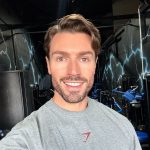
Andy Colman
Andy Colman is a Liverpool-based personal trainer and LGBTQIA+ inclusive coach, known for helping people feel confident, capable, and completely at home in the gym. His approach blends structured strength training with real, human coaching – creating a space that feels less like a typical PT session and more like being guided by someone who genuinely gets it.
Having experienced gym intimidation himself, Andy now specialises in supporting those who feel unsure, out of place, or stuck – helping them build both physical strength and lasting self-belief. He is the winner of the LGBTQ+ Personality Award at the British Fitness Awards and is currently developing a hybrid coaching programme designed to take clients from uncertainty to full independence. Instagram: @andycolmanfitness