
We talk to three instructors who combine fitness with another career, and discover what fitness professionals can learn from other careers
Aislinn Kelly talks to Sue Allen Hudson, Mariesa Martire and Andi Brajer, who all combine fitness with another professional discipline.
For some fitness professionals, the studio floor is only part of the story, with outside skills shaping the way instructors teach, motivate and connect with their clients. You don’t have to devote all your working hours to being a fitness instructor to be a seriously good one. In fact, these three women show that a little bit of crossover goes a long way to enriching their practice and awakening new experiences for their fitness clients.
Bringing the razzle dazzle
Sue Allen Hudson’s career began in the performing arts. Trained in dance and drama, she later qualified in multiple dance styles, teaching dance fitness programmes such as Zumba, Latin American and ballroom-inspired classes before eventually creating her own concept centred on tap dance. Her idea was simple but powerful: combine skill learning with fitness in a way that felt accessible to everyone.
Sue explains, “The aim was to create an accessible community group exercise class that would offer a fun, social and non-intimidating environment, bringing the worlds of dance and fitness together to benefit both the cognitive and physical aspects of wellbeing.”
Sue is quick to point out that tap dance offers far more than entertainment, developing co-ordination, rhythm, balance and overall fitness that offers more than “fast footwork and cool sounds” and is instead a “full-body, brain-engaging workout.”
Sue’s experience as an actor and singer shapes the way she leads her classes. Performing in front of an audience for years has given her confidence, presence and the ability to create an engaging atmosphere. “Leading a class requires confidence, structure and sometimes spontaneity,” she says with a smile. “I do occasionally throw in the odd regional accent or comedy character I’ve played on stage.”
For Sue, the connection between art and movement is fundamental. When people move creatively rather than mechanically, the benefits extend far beyond physical fitness. “When you move with intention, creativity and expression – like an artist – you’re not just exercising your body; you’re training your mind, emotions and resilience at the same time.”
The power of rhythm and expression
One of the unique elements of Sue’s approach is the role of rhythm and musicality in movement. Because of her singing background, she doesn’t simply count beats during a class – she approaches movement almost like composing a musical score. “As a singer, you naturally feel phrasing, not just counts,” she explains. “You shape energy like a score, build intensity like a chorus and treat rhythm like a conversation.”
That musical mindset transforms the workout experience. Participants are not simply following steps or counting repetitions; they are responding to rhythm, timing and musical expression. Tap dance itself becomes a form of communication. “The body becomes both the mover and the musician,” Sue explains. “As an instructor, breath awareness changes endurance. In tap especially, breath influences rhythm stability. When breathing is held, timing tightens. When breath flows, rhythm grooves.”
“When movement has creativity and intention behind it, people don’t just exercise – they express.”
This dual role – physical movement combined with rhythmic expression – allows participants to explore a level of creativity that is often missing from traditional exercise environments. Sue believes this creative element is one of the reasons people become so engaged in dance-based fitness.
For fitness professionals who feel limited by conventional formats, she believes introducing elements of artistic expression can be transformative. “Think about how your movements tell a story, convey energy or reflect emotion,” she suggests. “Even a squat can have rhythm and intention.”
Being a performer, for Sue, has a revolutionary effect on her classes. “A performer’s perspective can be transformative for fitness professionals who feel restricted by conventional workouts. Artistic and creative movement can make classes more engaging, expressive and holistic, while still achieving fitness goals,” she says. “A performer encourages seeing the body as an instrument of expression, not just a machine to tone.”
To shift your mindset from exercise to expression, Sue suggests using any artistic skills you already have, such as dance, music, theatre or vocal rhythm, and integrating them to your warm-up. She explains, “Creativity can enhance existing exercises by adding small tweaks to make classes more playful and expressive without losing fitness value. Encourage people to sync, improvise or respond to the music – they’ll work harder and it feels effortless.”
Sue believes that integrating improvisation and creating freedom removes fear of imperfection and turns fitness into play, which sustains long-term engagement. She adds, “Your attitude as the instructor sets the tone; if you move boldly, participants feel permission to do the same.”
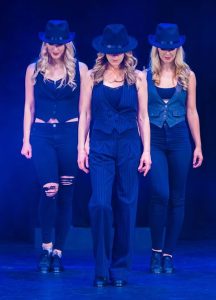
Sue Allen Hudson and dance team
The mind–body connection
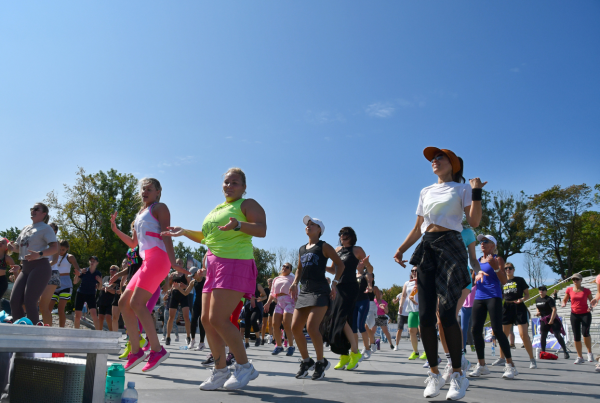
For Mariesa Martire, dance fitness also sits at the centre of her career – but her journey into the industry followed a different path. Originally trained as a professional dancer, she began teaching Zumba when she was 24 after the birth of her daughter. “I was thinking about ways I could still dance,” she recalls. “A friend introduced me to Zumba and I thought, this is brilliant.”
The classes quickly grew into a thriving community. “I had 55 women back then and it was absolutely brilliant,” Mariesa says. Years later, however, her work expanded beyond movement alone. After experiencing severe anxiety, Mariesa began exploring Reiki and other holistic practices that helped her better understand her own emotional and energetic sensitivity. Those practices eventually became part of her professional life, allowing her to support others dealing with similar challenges.
What makes her approach unique is the way she integrates those holistic principles into her fitness teaching. “Zumba incorporates a lot of shaking, which helps shake out trauma,” she explains. “That’s why you feel absolutely phenomenal after a good session.”
Mariesa draws comparisons to how animals naturally shake their bodies after stressful experiences as a way of releasing built-up tension. “Animals shake the trauma out,” she says. “As humans we’ve forgotten how to do that.”
“Fitness and energetic practices together are very important for overall wellbeing… We work the mind, the body and the spirit. It’s all connected.”
Through energetic dance movements and expressive choreography, participants are encouraged to release physical and emotional stress in a natural way. This is one of the reasons, Mariesa shares, that many people leave dance fitness classes feeling lighter and more energised than when they arrived. “You feel like you’ve cleansed and cleared,” she says.
Movement as emotional release
Mariesa also incorporates simple mindfulness techniques throughout her sessions, particularly during warm-ups and cool-downs. Breathing exercises, visualisation and body awareness cues help participants connect more deeply with their movements.
“For example, when we reach our arms out and pull them back in, I’ll say imagine you’re pulling something positive into your life,” she explains. These small prompts encourage people to think about movement not just as exercise but as an opportunity to reset mentally and emotionally.
“I’ve always included mindfulness with Zumba,” she says. “They go really well together.”
Mariesa’s knowledge of energy systems and chakras also informs how she describes certain movements during class. “I might say this movement is opening the heart or clearing the sacral chakra,” she explains.
While not everyone in the class is familiar with those concepts, the language helps participants become more aware of how their bodies feel and how different movements affect their energy levels. For Mariesa, the combination of energetic dance and stillness-based practices creates an important balance. “The holistic therapies are very calm and still,” she says. “Then, with Zumba, you’re shaking everything out and getting energised.”
Mariesa describes the relationship between the two approaches as complementary rather than contradictory. “It’s like yin and yang,” she explains. Together, they support a broader vision of health that goes beyond physical fitness alone.
“Fitness and energetic practices together are very important for overall wellbeing,” Mariesa adds. “We work the mind, the body and the spirit. It’s all connected.”
Holistic therapies have really helped Mariesa to help others tune into their bodies throughout Zumba “by grounding, by connecting to their Crown chakra, connecting to the energy all around them so they can breathe better. I’m always reminding them to take a big breath.”
Mariesa adds, “I think the combination of fitness and energetic physical practices is definitely important for future for overall wellbeing. We work in mind; we work in body; we work in spirit and it’s all unity – it’s all one.”
Discipline, breath and patience
While Sue and Mariesa both come from dance backgrounds, Andi Brajer’s professional crossover sits in a completely different world: martial arts.
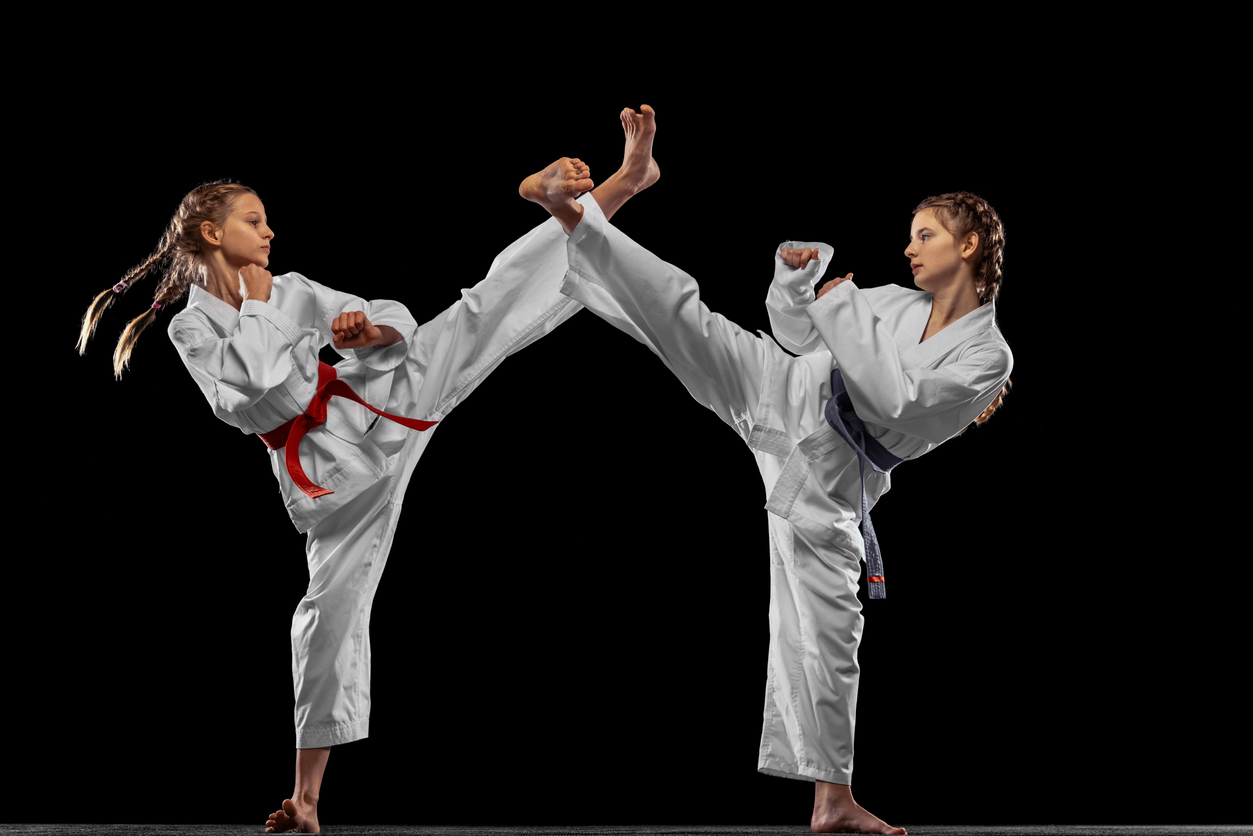
Her two disciplines – yoga and Brazilian jiu-jitsu – might initially appear to have little in common. One is widely associated with calm, flowing movement and relaxation, while the other involves high-intensity grappling and strategic combat. But Andi sees strong similarities between the two practices.
“To be a great fitness professional, you don’t have to operate in a single discipline.”
“Yoga often looks calm and slow from the outside, while jiu-jitsu is more dynamic and intense,” she explains. “But both require body awareness, breath control, patience and discipline.”
Her introduction to yoga was surprisingly simple. “I found a voucher for three hot yoga sessions for £14,” she laughs. “That’s how it all started.” What began as a casual experiment gradually developed into a meaningful practice. Jiu-jitsu came later, sparked by curiosity after hearing practitioners talk about the martial art on podcasts.
“They were describing how technical and strategic it is and how it builds confidence,” she says. After trying a class herself, Andi quickly realised why so many people become passionate about the discipline. “I absolutely loved it,” she enthuses.
Teaching children through movement
Today, Andi teaches yoga to adults and coaches jiu-jitsu classes for children – a combination that allows her to apply lessons from both practices. Although the formal jiu-jitsu curriculum focuses primarily on technique, the principles she learned through yoga still influence how she guides her students, as yoga teaches a lot about patience and emotional regulation. This is especially valuable when children become frustrated while learning new skills.
“Kids can get frustrated quickly when something doesn’t work,” she explains. Instead of pushing them harder, she encourages them to pause and reconnect with their breathing. “We pause, breathe and try again if they are ready. Often, they just need a moment to calm down,” she says.
These simple moments of awareness can have a powerful effect on emotional regulation. “Kids often don’t realise they’re practising mindfulness,” she says. “But those small moments make a big difference.”
For Andi, patience is one of the most important lessons shared by both disciplines. “In yoga you don’t force the body,” she explains. “In jiu-jitsu you don’t force the technique either.”
Progress, she reminds her students, happens gradually: “Small improvements are still improvements.”
Yoga often looks calm and slow from the outside, while jiu-jitsu is more dynamic and intense. But both require body awareness, breath control, patience and discipline. “For me,” says Andi, “they balance each other perfectly. Yoga helps me recover, stay mobile and calm the nervous system, while jiu-jitsu challenges me physically and mentally.”
Andi does have to adapt her delivery across the two disciplines, explaining, “Adults are usually motivated by health, stress relief or physical goals. Kids are motivated by play, challenge and feeling successful. So the structure is similar but the delivery is very different. You need games, movement and small achievable wins for the children.”
Andi uses aspects of yoga in her jiu jitsu and vice versa: “I definitely pinch things from both worlds. Yoga movements are great for warming up joints, improving mobility and helping recovery after training. Breath work also helps people to relax after intense drills. They complement each other really well.”
She adds, “Yoga movement and breath work can support better focus, body control and emotional regulation, which then helps children perform better in jiu-jitsu. Learning to breathe properly helps in both. It helps kids stay calm when something is difficult and it helps adults stay present in yoga.”
What fitness professionals can learn
Looking across these three experiences, a clear message emerges: to be a great fitness professional, you don’t have to operate in a single discipline.
Performance skills can transform how instructors engage a class and create atmosphere. Holistic practices can deepen awareness of emotional wellbeing. Martial arts can build discipline, patience and resilience. Each influence adds another layer to the coaching experience.
Sue encourages fitness professionals to embrace creativity and artistic expression within their classes. “The acting and creative element doesn’t just make a workout more entertaining – it actually changes how the body performs, adapts and benefits from the exercise. When movement has a story or emotional objective, people move differently,” she says.
Mariesa believes the future of wellbeing lies in integrating physical and mental practices, rather than separating them. “When we move the body, we’re also working the mind and spirit,” she says.
And for Andi, creating a supportive environment is just as important as teaching technique. “Kids learn best when they feel safe, supported and when the class is fun,” she explains. “If they enjoy being there, the learning will naturally follow.”
A broader view of fitness
The fitness industry has evolved significantly in recent years, with increasing recognition that wellbeing is about far more than physical strength or cardiovascular endurance. Stories like these highlight the value of looking beyond traditional training methods and embracing diverse experiences.
Dance, theatre, energy work, mindfulness, martial arts – each discipline offers insights into how people move, learn and grow. When those worlds come together, fitness becomes something richer and more meaningful. Or, as Sue puts it, “When movement has creativity and intention behind it, people don’t just exercise – they express.”
Sue Allen Hudson
Sue Allen Hudson is founder of Fit4Tap: www.fit4tap.com

Mariese Martire
Mariese Martire is founder of HappiHealings: www.happihealings.co.uk
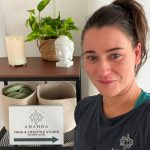
Andi Brajer
Andi Brajer is founder of ANANDA Lifestyle: www.anandalifestyle.co.uk