

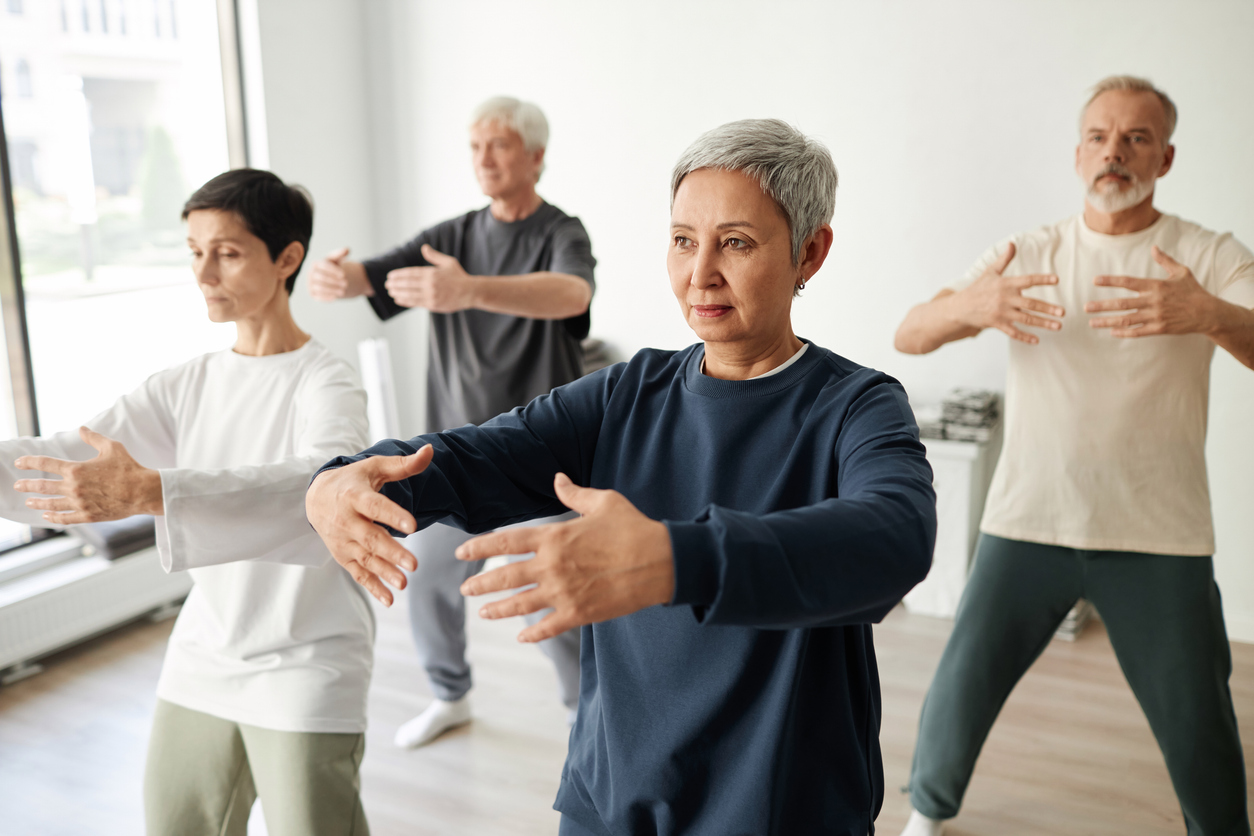
Mark Peters uses tai chi and qigong in neurorehabilitation after acquired brain injury and explores the benefits of integrating mind-body awareness into recovery
Acquired brain injury (ABI) frequently results in complex neurological presentations including impaired balance, motor co-ordination deficits, fatigue, cognitive dysfunction and emotional dysregulation. Rehabilitation professionals are increasingly exploring complementary movement therapies that support neuroplastic recovery while remaining accessible to patients with varying functional capacity.
Two traditional mind–body movement systems – tai chi and qigong – have gained growing interest within neurological rehabilitation because they combine motor training, cognitive engagement and autonomic regulation within a low-impact format.
For physiotherapists, occupational therapists and neurorehabilitation teams, these practices can function as adjunctive interventions supporting functional recovery and long-term self-management.
Neuromotor retraining and neuroplasticity
Recovery after ABI depends heavily on the brain’s capacity for activity-dependent neuroplasticity. Movement repetition, sensory feedback and task-oriented training are central principles within neurorehabilitation.
Tai chi and qigong movements are typically characterised by:
- slow, controlled movement execution
- continuous weight transfer
- co-ordinated upper–lower body integration
- repetition of structured movement sequences.
This structure allows patients to practise motor sequencing and postural control at a reduced speed, enabling increased cortical engagement and improved movement accuracy.
The emphasis on relaxed, efficient movement may also reduce compensatory motor patterns that commonly develop following neurological injury.
Postural stability and balance training
Postural instability and fall risk remain major long-term concerns following ABI. Tai chi in particular has been widely studied as a balance intervention in neurological and older adult populations.
Key elements relevant to rehabilitation include:
- controlled weight shifting
- gradual transitions between stances
- trunk rotation and axial control
- proprioceptive awareness through the feet and lower limbs.
These movement components challenge the integration of vestibular, visual and proprioceptive inputs, supporting improvements in dynamic balance and gait stability.
Because movements are slow and predictable, they also allow clinicians to introduce graded balance challenges within a relatively safe environment.
Cognitive–motor integration
ABI often affects executive function, attention and working memory. Tai chi practice requires participants to:
- follow structured movement sequences
- co-ordinate bilateral and cross-body movements
- maintain sustained attention
- integrate breathing with movement rhythm.
This combination of motor execution and cognitive processing can act as a form of dual-task training, which is particularly relevant for patients who struggle with functional tasks requiring simultaneous cognitive and motor demands.
Occupational therapists may find this integration useful for supporting functional movement planning and attentional control.
Sessions can be modified for seated, supported or small-range movement, making them accessible even in early stages of recovery
Autonomic nervous system regulation
Many individuals with neurological injury experience autonomic dysregulation, presenting as fatigue, anxiety, poor stress tolerance and sleep disturbances.
Both tai chi and qigong incorporate:
- slow diaphragmatic breathing
- relaxed muscular effort
- mindful attention to bodily sensations.
These elements promote parasympathetic activation and may help regulate the stress response system, potentially improving emotional regulation and fatigue management.
From a rehabilitation perspective, this may enhance patient capacity for engagement in therapy and support long-term wellbeing.
Sensory awareness and proprioceptive recalibration
Neurological injury can disrupt the integration of sensory inputs needed for effective movement control. Tai chi and qigong emphasise:
- awareness of weight distribution
- joint alignment and body positioning
- co-ordinated movement through space.
This focus encourages patients to rebuild internal body awareness, which may support improvements in movement accuracy and postural control.
For physiotherapists, these practices can complement existing proprioceptive training approaches.
Fatigue-sensitive rehabilitation
Neurological fatigue is one of the most commonly reported long-term symptoms after ABI and can limit participation in conventional exercise programmes.
Tai chi and qigong are particularly well suited to fatigue-sensitive populations because they:
- require relatively low metabolic output
- emphasise pacing and relaxed effort
- can be delivered in short, adaptable practice sessions.
Sessions can be modified for seated, supported or small-range movement, making them accessible even in early stages of recovery or during periods of reduced energy.
Psychosocial benefits
ABI frequently impacts identity, confidence and social participation. Non-competitive group practices such as tai chi and qigong may provide:
- opportunities for gentle physical re-engagement
- increased confidence in movement
- supportive social interaction within a structured environment.
These psychosocial components are often overlooked but play an important role in long-term rehabilitation adherence and quality of life.
Clinical integration
For rehabilitation teams, tai chi and qigong are best considered complementary therapeutic modalities rather than replacements for conventional physiotherapy or occupational therapy interventions.
Potential integration models include:
- community-based rehabilitation programmes
- falls-prevention classes
- neurological maintenance exercise groups
- long-term self-management strategies following discharge.
Referral to appropriately trained instructors familiar with neurological conditions and movement adaptation is recommended.
Conclusion
Within neurorehabilitation, interventions that combine motor retraining, cognitive engagement and autonomic regulation are increasingly recognised as valuable components of recovery.
Tai chi and qigong offer a structured yet adaptable movement framework that can support balance, motor co-ordination, sensory awareness and psychological wellbeing following acquired brain injury.
For physiotherapists, occupational therapists and neurorehabilitation teams, these practices represent a safe, scalable adjunct to conventional rehabilitation, with potential to support both functional recovery and long-term patient self-management.
Read more about applying motor learning science in this blog post by Thomas Stringwell and this blog on taking fitness classes into care homes.

Mark Peters
Mark Peters is passionate about integrating mind-body awareness into recovery, helping clients reconnect with their bodies, regulate stress and restore confidence in movement. Mark is the lead trainer for Midlands Tai Chi Rehab and a CIMSPA training partner specialising in tai chi and qigong for rehabilitation and wellbeing. With over 30 years’ experience, Mark blends traditional tai chi principles with modern rehabilitation science.