

Dr Linia Patel (PhD), RD delivers a nutrition guide for urinary tract infections
When Jane Waller (FitPro co-founder) and I sat down to brainstorm blog titles, UTIs came up – as did a moment of hesitation. “Is that too much info? Too specific?” If two women who’ve spent decades advocating for nutrition and wellness are questioning whether it’s too much to talk about urinary health, then that alone tells us: we absolutely need to be talking about it.
If you suffer from UTIs, you are not alone. UTIs are more common than most people think. In fact, they are one of the most common infections in women, affecting one in five women every year, and for many, it’s not just a one-off. In fact, a recent (albeit informal) poll I ran on Instagram showed that every woman who responded had experienced a UTI at some point, with a significant number saying they struggle with them regularly.
So, let’s break the silence and get into what, why and how nutrition and lifestyle can play a supportive role.
What is it?1
A urinary tract infection (UTI) – also called cystitis when it affects the bladder – is an infection that causes inflammation anywhere along the urinary tract: urethra, bladder, ureters or kidneys. Most commonly, it affects the bladder and urethra (the tube that carries urine out of the body). Prompt treatment is essential, as untreated or recurrent UTIs can lead to kidney infections, which are more serious and require medical attention.
What causes it?1
A UTI is caused by bacterial overgrowth, typically E. coli from the gastrointestinal tract, entering and multiplying in the urinary tract. While urine is normally sterile, several factors can disrupt the body’s ability to flush out bacteria effectively. This includes dehydration, sexual activity, hormone changes (especially in perimenopause and post menopause), certain types of exercise, poor hygiene or even an imbalance of bacteria in your gut (gut dysbiosis).
Symptoms1,2
Common UTI symptoms include:
- frequent urge to urinate with minimal output
- pain or burning during urination
- cloudy, smelly or bloody urine
- lower abdominal cramps or heaviness
- fever or back pain (possible signs of kidney involvement).

How nutrition can help
While antibiotics are often the first line of treatment, nutrition and lifestyle strategies can support prevention, recurrence reduction and overall urinary tract health.
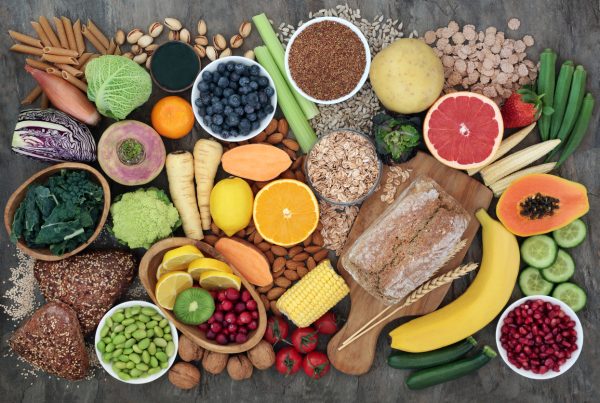
- Hydrate hydrate hydrate3. Drinking more water might be one of the simplest yet most effective strategies to prevent UTIs. Why? Hydration helps flush bacteria from your urinary tract before they can cause trouble. Research shows that increasing your fluid intake by more than one litre per day can significantly reduce the risk of recurrent infections in women prone to UTIs. If plain water isn’t your thing, herbal teas or water-rich fruits like cucumber or watermelon are great additions to your overall diet. Avoid excessive caffeine and alcohol – they can irritate the bladder and increase dehydration.
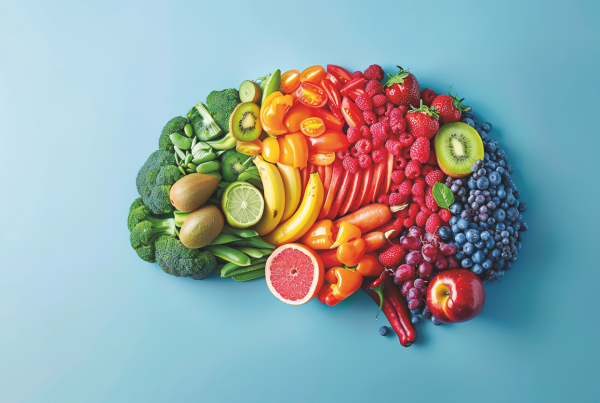
- Load up on vitamin C-rich food2,4. Vitamin C does double duty: it acidifies the urine, making it harder for harmful bacteria to thrive, and supports your immune function, helping your body naturally fend off infections. Including foods like kiwis, berries, citrus fruit, bell peppers and vegetables in general will deliver vitamin C, fibre and antioxidants to support overall health, which taking a vitamin C supplement won’t do.
- Nurture your vaginal microbiota4,5,6. Your vaginal microbiome acts as a gatekeeper for the urinary tract. A healthy balance of bacteria – especially Lactobacillus species – can help prevent bad bacteria from taking hold. Research suggests that supplementation with Lactobacillus Rhamnosus will reduce recurrent UTIs while Lactobacillus Reuteri offers added protection by producing hydrogen peroxide, which keeps your vaginal tract less appealing to ‘bad’ bacteria. Lactobacillus Crispatus is another bacterium commonly used in vaginal probiotic formulations showing benefit especially for recurrent infections. Remember, when it comes to probiotic supplements it is all about when and how long you use them, so consider taking a probiotic, especially after antibiotic use, to help replenish the ‘good bugs’ that keep your urinary tract resilient.
- Consider cranberry8,9,10. Cranberry products have long been touted for UTI prevention. The magic lies in proanthocyanidins, compounds that prevent bacteria like coli from sticking to urinary tract walls. A Harvard study found that elderly women who drank 300ml of unsweetened cranberry juice daily had a significantly lower UTI risk over six months. A meta-analysis of 10 studies concluded that 36mg of proanthocyanidins daily (roughly 150ml pure cranberry juice or 800mg extract) can reduce the risk of UTIs by about 15%. However, remember that cranberry juice often comes with sugar. Sugar-laden varieties are more likely to irritate your bladder than help it. Be sure to choose unsweetened cranberry juice or standardised cranberry extracts for best results.
- Natural remedies worth exploring4. Supplements aren’t a substitute for medical care, but some have shown promise in supporting urinary health – particularly when used alongside hydration and diet. Uva ursi has been traditionally brewed into teas and used to support UTIs. Its active ingredient is arbutin, a compound with antibacterial properties. Some preliminary research supports its use for mild UTIs but more studies are needed. Standard dosage is 420-600mg arbutin per day, split into three doses. However, always consult a healthcare provider before using as it is not suitable for long-term use or for individuals with kidney issues.
Read more of Dr Linia Patel’s posts; this one on supporting your immune system through a healthy gut.
References
- Examine.com. Urinary Tract Infections. Accessed here: https://examine.com/conditions/urinary-tract-infection/?srsltid=AfmBOor0e8ok4g_MDIjZdCyqfI3csau-yAHLfacH-TV0-EZfmj95GsS1
- Kowk M et al (2008), Guidelines of guidelines: Management of recurrent urinary tract infections in women, Altern Med Rev., 13(3): 227-44.
- Harvard Health. More water, fewer UTIs. Accessed here: https://www.health.harvard.edu/blog/more-water-fewer-utis
- Head K (2008), Natural approaches to prevention and treatment of infections of the lower urinary tract, Altern Med Rev., 13(3): 227-44.
- Falagas M et al (2006), Probiotics for prevention of recurrent urinary tract infections in women: S review of the evidence from microbiological and clinical studies, Drugs, 9: 1,253-61.
- Wei Keong Chieng et al (2022), Probiotics, a promising therapy to reduce the recurrence of bacterial vaginosis in women? A systematic review and meta-analysis of randomized controlled trials, J Nutr., 147(12): 2,282-88.
- Gupta V et al, Recurrent urinary tract infections in women: How promising is the use of probiotics? Front Nutr., 35(3): 347-354.
- Xiong et al (2024), Preventive effect of cranberries with high dose of proanthocynidins on urinary tract infections: A meta-analysis and systematic review, 11: 1422121.
- Fu Z et al (2017), Cranberry reduces the risk of urinary tract infection recurrent in otherwise healthy women: A systematic review and meta-analysis, Arch Intern Med., 147(12): 2,282-88.
- Hung Wang et al (2022), Cranberry-containing products for prevention of urinary tract infections in susceptible populations: A systematic review and meta-analysis of randomized controlled trials, BJU Int. Suppl., 3: 11-22.