

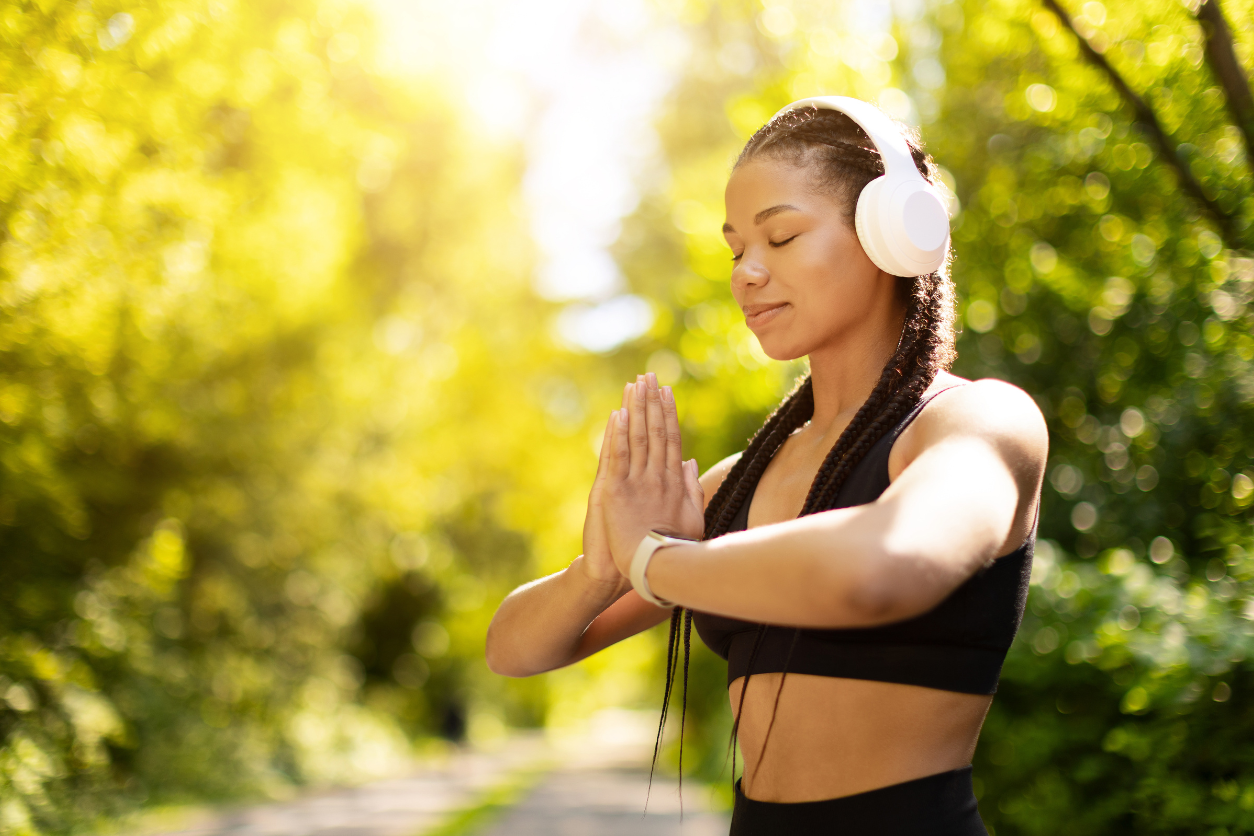
Sahar Khoshraveshan explores how you can help athletes use meditation and mindfulness for recovery and performance.
Athletic performance is often associated with physical training, nutrition and recovery strategies. However, mental preparation is equally important for achieving optimal results. In recent years, meditation and mindfulness have gained popularity among athletes and physically active individuals as tools to enhance both performance and recovery. Although these terms are frequently used interchangeably, they refer to different concepts. Understanding the distinction between meditation and mindfulness can help athletes use these practices more effectively.
Understanding meditation and mindfulness
What is meditation?
Meditation is a structured practice that involves intentionally training attention and awareness. During meditation, individuals focus on a specific object, such as their breathing, bodily sensations, a word or a guided instruction. The aim is to improve concentration, self-awareness and emotional regulation.
Meditation is typically performed during dedicated sessions and requires setting aside time specifically for mental training. Similar to physical exercise, its benefits develop through consistent practice over time.
What is mindfulness?
Mindfulness is the ability to maintain awareness of the present moment without judgement. Rather than being a formal exercise, mindfulness is a way of paying attention during everyday activities.
A mindful athlete may focus on their breathing while running, notice muscle sensations during strength training or remain attentive to the task at hand during competition. Mindfulness encourages individuals to observe thoughts, emotions and physical sensations without becoming distracted or overwhelmed by them.
The difference between the two
The primary distinction is that meditation is a practice, while mindfulness is a state of awareness. Meditation is often used to cultivate mindfulness, whereas mindfulness is the skill that can be applied throughout daily life.
In simple terms, meditation is the training process and mindfulness is the outcome that can be integrated into training, competition, recovery and everyday activities.
Impact on recovery
Reducing stress and mental fatigue
Athletes regularly experience physical and psychological stress from training demands, competition pressure and performance expectations. Prolonged stress can increase cortisol levels, which may interfere with recovery and overall wellbeing.
Meditation has been shown to promote relaxation by activating the body’s parasympathetic nervous system, often referred to as the ‘rest and digest’ response. This helps reduce tension and supports recovery. Mindfulness also allows athletes to recognise stress responses earlier and manage them more effectively.
By lowering stress levels, both practices can contribute to improved physical and mental recovery.
“Meditation strengthens attentional control by training individuals to repeatedly return their focus to a chosen point of attention.”
Improving sleep quality
Sleep is one of the most important factors in athletic recovery. It supports muscle repair, energy restoration, immune function and cognitive performance.
Many athletes struggle with pre-competition anxiety or difficulty switching off after intense training. Meditation and mindfulness can help calm the mind and reduce racing thoughts, making it easier to achieve high-quality sleep.
Improved sleep contributes to better recovery, increased energy levels and greater readiness for future training sessions.
Supporting injury rehabilitation
Injuries can be physically and emotionally challenging. Athletes often experience frustration, anxiety and uncertainty during rehabilitation.
Mindfulness encourages athletes to acknowledge discomfort and emotions without becoming consumed by them. This can improve emotional wellbeing and help maintain motivation throughout the rehabilitation process. Meditation may further assist by reducing stress and promoting a more positive mindset during recovery.
Impact on athletic performance
Enhancing focus and concentration
Successful athletic performance often depends on the ability to maintain attention despite distractions. Whether during training or competition, lapses in concentration can affect decision making and execution.
Meditation strengthens attentional control by training individuals to repeatedly return their focus to a chosen point of attention. Over time, this can improve concentration and reduce susceptibility to distractions. Mindfulness complements this skill by helping athletes remain focused on the present moment, rather than dwelling on previous mistakes or worrying about future outcomes.
Improving emotional regulation
Sport frequently involves intense emotions, including excitement, pressure, frustration and disappointment. The ability to manage these emotions is critical for consistent performance.
Mindfulness helps athletes recognise emotional responses without reacting impulsively. This increased awareness allows for more controlled and constructive responses in challenging situations.
As a result, athletes may experience improved composure, decision making and confidence during competition.
Developing mental resilience
Athletes inevitably face setbacks such as losses, injuries and performance slumps. Resilience is the ability to adapt and recover from these challenges.
Meditation and mindfulness encourage acceptance of difficult experiences while reducing negative rumination. Athletes learn to approach challenges with greater perspective and adaptability, enabling them to recover more effectively from adversity.
Supporting flow states
Many athletes describe their best performances as occurring when they are “in the zone”. This psychological state, known as flow, is characterised by complete absorption in the activity and a heightened sense of focus.
Mindfulness can help facilitate flow by encouraging present-moment awareness and reducing mental distractions. Although flow cannot be deliberately created, mindfulness increases the likelihood of entering this optimal performance state.
Practical applications for athletes
Athletes can incorporate meditation and mindfulness into their routines in several simple ways:
- Practising five to 10 minutes of meditation before training.
- Using mindful breathing techniques before competition.
- Performing body-scan meditations after exercise.
- Paying attention to movement and technique during workouts.
- Refocusing on the present moment after mistakes during competition.
Even short, regular practice sessions can produce meaningful benefits over time.
Conclusion
Meditation and mindfulness are distinct but closely related practices that offer valuable benefits for athletes and physically active individuals. Meditation is a structured method of training attention and awareness, while mindfulness is the ability to remain present and engaged in the current moment. Together, they can improve recovery by reducing stress, enhancing sleep quality and supporting injury rehabilitation. They can also enhance performance by improving focus, emotional regulation, resilience and the ability to perform under pressure. As awareness of mental training continues to grow in sport, meditation and mindfulness are becoming essential tools for both athletic success and long-term wellbeing.
Read more of Sahar’s insights on the FitPro blog in her piece on ayurveda for fitness and performance

Sahar Khoshraveshan
With training in Hatha and Kundalini Yoga, Reiki and Ayurveda, Sahar Khoshraveshan’s work brings together movement, meditation and lifestyle practices for modern living. Drawing on years in software engineering and corporate environments, her practice reflects a lived understanding of stress, desk-based work and nervous system overload. Sahar @_innerlight.yoga_ explores practical ways to reconnect with the body, restore balance and cultivate clarity and resilience in everyday life and long-term wellbeing practices.