In a fitness industry overflowing with bold claims, outdated models, and recycled ideas, it has never been more important for coaches to understand what the evidence really says and how to apply it with clarity and confidence.
This four-hour online seminar brings together the latest research on core training, modern motor-learning principles, and dynamic systems theory to completely reframe how we think about the core, movement, pain, and programme design.
You’ll explore where common core myths came from, why they’ve persisted, and what high-quality evidence actually shows. You’ll learn how to read and interpret research without needing a PhD, how to coach without fear-based language, and how to design meaningful, adaptable core training using task, environmental, and individual constraints.
The session includes hands-on practical work using just a towel and light dumbbells. You’ll build your own DST-informed core programme during the seminar and walk away with simple tools you can use immediately with clients.
The course also includes a bonus video with over 50 minutes of practical examples and coaching ideas to help translate the concepts into real-world training.
If you want to coach with confidence, update old narratives, and deliver training that genuinely helps people move better and feel better, this course will change how you think about the body and elevate how you teach.
This seminar is ideal for personal trainers, strength coaches, and movement professionals who want a clearer, evidence-informed approach to core training and programme design.
What you’ll learn
- Evidence Literacy: Understand how to interpret research, recognise bias in fitness education, and use evidence to make better coaching decisions.
- Core Function & Myth Busting: Explain what the core actually does, understand where common myths originated, and apply current evidence to real-world training.
- Pain Science & Coaching Language: Describe modern understanding of pain and use constructive, non–fear-based coaching language with clients.
- Dynamic Systems Theory: Apply the principles of Dynamic Systems Theory by manipulating task, individual, and environmental constraints in programme design.
- Practical Application: Design simple, adaptable core training sequences and integrate motor-skill learning strategies into everyday coaching.
Author Bio
-
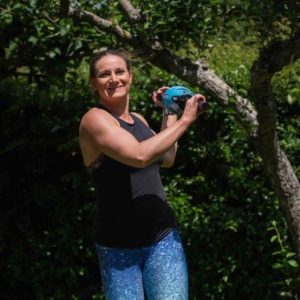
Ally Taylor
Ally Taylor has been a personal trainer and group exercise instructor for over 24 years and is the founder of Amovida, a boutique fitness studio in East Horsley, Surrey. With a strong emphasis on movement health and training for life, Ally questions traditional approaches—especially when they exist simply because “that’s how it’s always been done” rather than being backed by solid evidence.
She stays ahead by understanding how to apply primary research to shape training methods and isn’t afraid to rethink best practices when presented with quality evidence. Her sessions empower instructors to think critically, coach with confidence, and create meaningful, real-world training experiences that truly impact their clients.